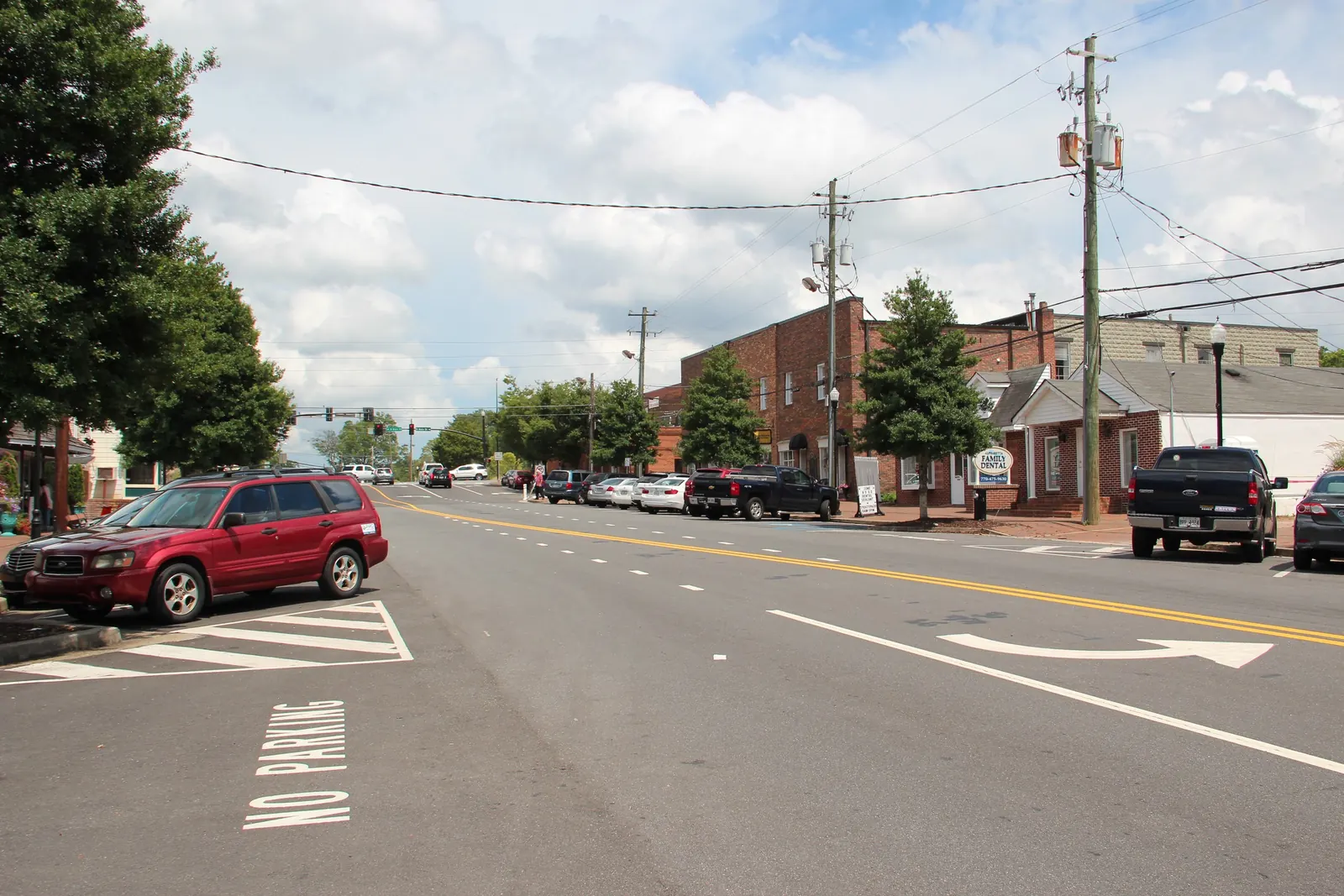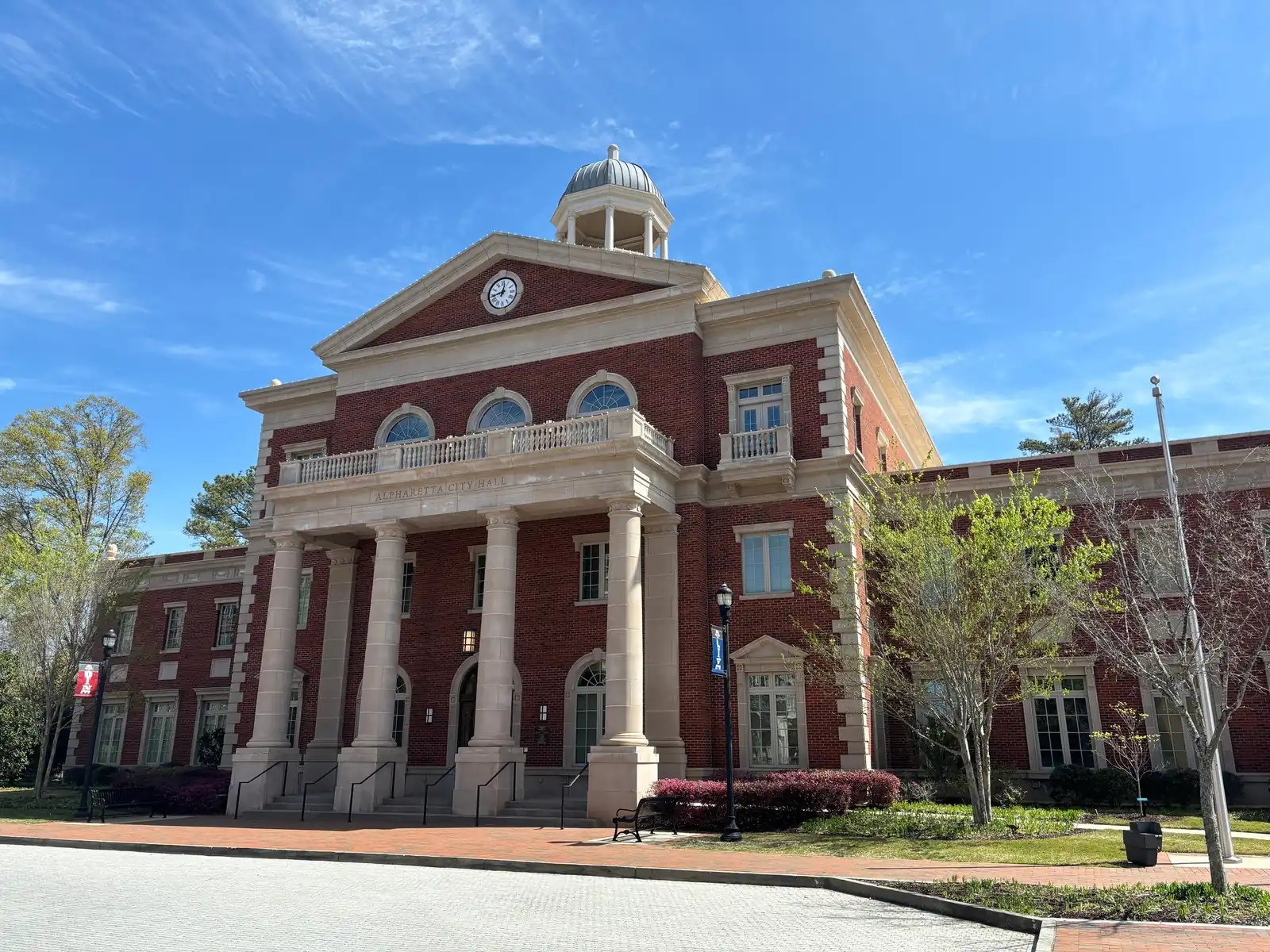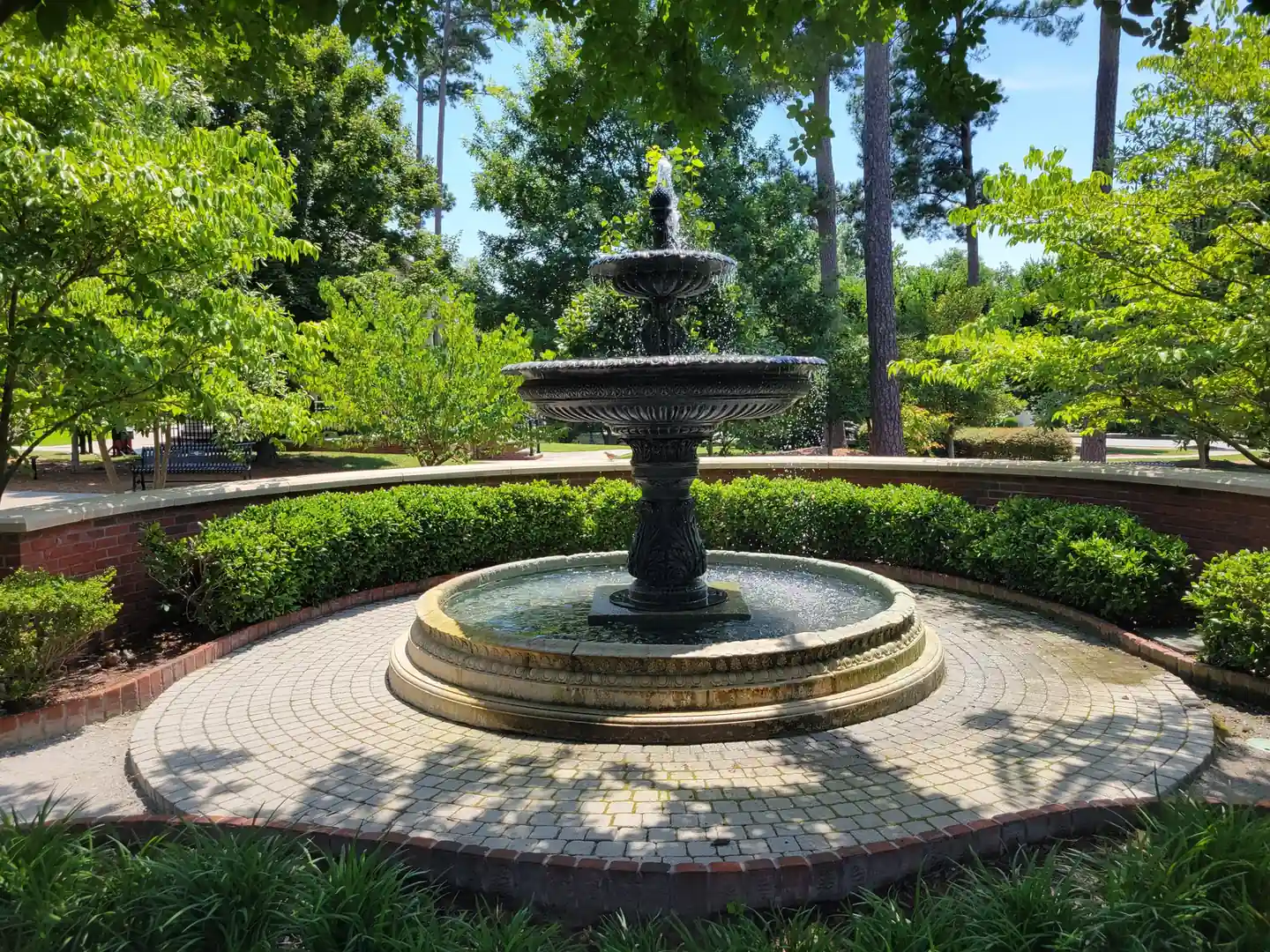
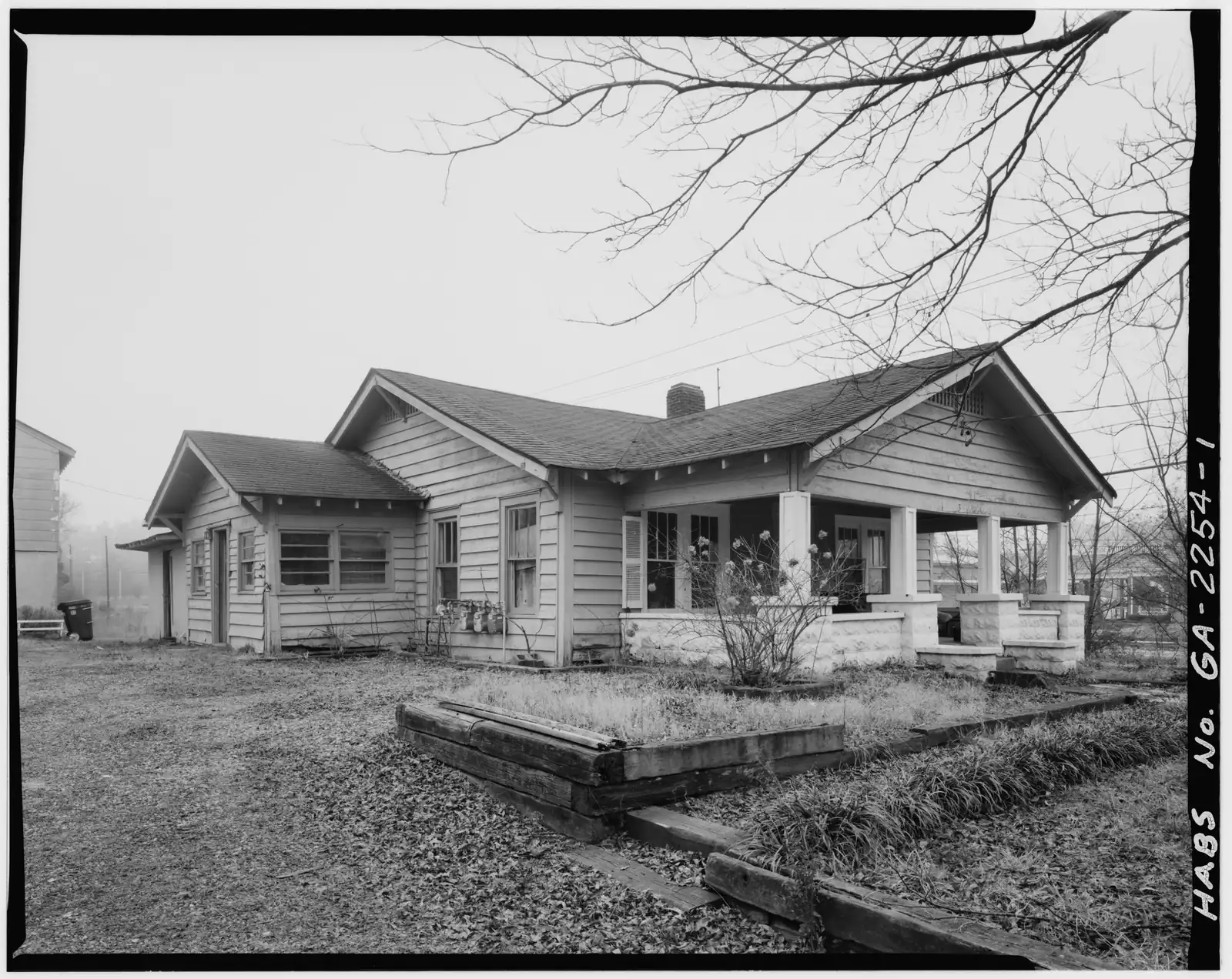
Downtown Alpharetta looks new in places and old in others, and both parts have a reason. Most of its shape comes from a handful of turns: a campground by the springs, a new county that needed a seat, a fire, a county that went nearly broke, a highway and a new City Hall. This is the short version, drawn from the City, the Alpharetta & Old Milton County Historical Society and the New Georgia Encyclopedia.
The short answer
- By 1835: New Prospect Campground, an overnight stop near springs.
- Dec. 11, 1858: incorporated as the seat of the new Milton County, on 60 acres of town lots.
- June 26, 1902: a fire destroys much of downtown, and it comes back in brick and stone.
- Jan. 1, 1932: Milton County merges into Fulton County.
- Dec. 15, 2014: the new City Hall and City Center open.
What was here before the town?
Springs. The New Georgia Encyclopedia says natural springs drew the Cherokee to the area. After Georgia gave out Cherokee lands to white settlers in an 1832 lottery, the spot became a stopover for pioneers traveling between the mountains and the rail terminus that became Atlanta, per the encyclopedia.
That stopover had a name: New Prospect Campground. The City’s History Walk brochure says it was an overnight stop for travelers and traders as far back as 1835, chosen for its springs and nearness to westward routes. Its marker is at 116 N. Main Street.
When did Alpharetta become a town, and why that name?
Milton County came first. The encyclopedia says it was created on Dec. 18, 1857, from parts of Cherokee, Forsyth and Cobb counties, and credits the name to John Milton, Georgia’s first secretary of state. The History Walk notes that some credit General Homer V. Milton instead. Alpharetta was incorporated on Dec. 11, 1858, to serve as the new county’s seat, per the City and the historical society.
The town’s own name is a different matter. The published histories from the City, the historical society and the encyclopedia explain the founding, but none says where the name came from. Treat any story about it as an unconfirmed account.
Where did downtown’s lots come from?
From a land deal. On April 12, 1858, the Milton County Inferior Court ordered the purchase of 60 acres from the Manning and Camp families. The county kept 12.5 acres and sold the rest as lots, and those lots became the downtown business district, the historical society says.
The courthouse stood at the town’s crossroads. The History Walk says the courthouse in use at the 1932 merger stood at 2 S. Main Street, was torn down in 1955, and that the building there now is a replica. Resthaven Cemetery, at 90 Milton Avenue, dates to December 1860, when the county court gave two acres for a graveyard. Many of the founders of Milton County and Alpharetta are buried there.
Why are so many downtown buildings brick?
Because of a fire. On June 26, 1902, a fire destroyed much of downtown, and most of the lost buildings came back in brick or stone. Most of today’s downtown commercial buildings went up between 1902 and 1914, especially on the west sides of South Main Street and Old Roswell Street, per the historical society.
What did the town live on, and why did the county end?
Cotton, for decades. It was ginned and stored in town and sold to the Roswell textile mills. The Webb Guano Warehouse opened in 1901 in the landmark Cotton House building on Milton Avenue. Then the boll weevil and the Great Depression left Milton County nearly bankrupt. County voters approved a merger in 1931 by 213 to 59, and Milton joined Fulton County on Jan. 1, 1932.
Milton was one of only two Georgia counties abolished in modern times, the encyclopedia notes. The other was Campbell County, south of Atlanta. Milton County had taken in today’s Johns Creek, Milton and Mountain Park, part of Roswell and northern Sandy Springs.
What changed in the 20th century?
Schools and a highway. Milton School opened on School Drive in January 1922 and closed as Milton High School in 2005, after 84 years. The old campus was cleared in 2017 for Innovation Academy, now at 125 Milton Avenue. Future Farmers of America students built a Log Cabin there in 1935, and it has since moved to 200 Milton Avenue, per the City. The visitors bureau says the Bailey-Johnson School served Black students in North Fulton from 1950 to 1967.
The first section of Georgia 400 north of I-285 was dedicated on May 24, 1974, per the historical society’s timeline. The highway and the Windward development of the 1980s brought new residents and businesses. The encyclopedia puts Alpharetta’s 1980 population at 3,128. The 2020 Census counted 65,818.
How did City Center come about?
Through a plan. The City says its 2003 downtown planning process gave rise to Alpharetta City Center, on its master plan page. The new City Hall and the first phase of City Center opened with a ribbon cutting on Dec. 15, 2014, per the builder. City Center’s developers describe 26 acres that added six blocks to the historic downtown. It kept existing historic buildings and trees and added replicas of buildings that stood on the site in the 1800s, they say.
How can I see this history today?
Start inside City Hall. The Alpharetta & Old Milton County History Museum is at 2 Park Plaza, and admission is free. The City lists hours of Monday to Thursday, 8:30 a.m. to 5 p.m., and Friday, 8:30 a.m. to 4:30 p.m., with weekends by appointment, on the museum page. It opened in 2018, and its Alpharetta Stories kiosk plays more than 75 recorded interviews with longtime residents, the City says.
Then walk. The Alpharetta History Walk is a self-guided tour of 25 historic markers within walking distance of each other downtown, plus seven sites a short drive away. The historical society is based at the Mansell House and Gardens, 1835 Old Milton Parkway. Our history page has the full timeline, and the walking planner builds a route around the museum’s hours.
- Before the town, there was New Prospect Campground. The City's History Walk says it was an overnight stop for travelers and traders as far back as 1835, chosen for its springs and nearness to westward routes. A History Walk marker for it is at 116 N. Main Street. City of Alpharetta: Alpharetta History Walk brochure (PDF, linked from the City's History Tours page)
- Alpharetta was incorporated on December 11, 1858, to serve as the county seat of the newly formed Milton County. Both the City and the Alpharetta & Old Milton County Historical Society give that date. City of Alpharetta: History; Alpharetta & Old Milton County Historical Society: Alpharetta & Old Milton County
- A fire on June 26, 1902, destroyed much of downtown, and most of the lost buildings came back in brick or stone. The historical society says most of today's downtown commercial buildings went up between 1902 and 1914, especially on the west sides of South Main Street and Old Roswell Street. Alpharetta & Old Milton County Historical Society: Historical Buildings; Alpharetta & Old Milton County
- The boll weevil and the Great Depression left Milton County nearly bankrupt, and it merged with Fulton County on January 1, 1932. The historical society says county voters approved the move in 1931 by 213 to 59. Alpharetta & Old Milton County Historical Society: Alpharetta & Old Milton County; New Georgia Encyclopedia: Milton County
- Choate Construction, the builder, says the new City Hall and the first phase of Alpharetta City Center opened with a ribbon cutting on December 15, 2014. That first phase included City Hall, a 450-space public parking deck, the Town Green and a five-acre park. Choate Construction: Alpharetta City Center Opens to Public (Dec. 23, 2014)
If the history has you thinking about living near downtown rather than visiting, our living in Alpharetta page covers schools, the library and the census numbers. Gold Peach Realty, the North Georgia brokerage that publishes this guide, explains how it works with buyers and sellers on its Gold Peach experience page.
Questions
What county is Alpharetta, GA in?
Alpharetta is in Fulton County, in the north metro Atlanta region. It was the county seat of Milton County from 1858 until January 1, 1932, when Milton County merged into Fulton County. The Census Bureau's 2020 map puts City Hall, at 2 Park Plaza downtown, inside both the Alpharetta city limits and Fulton County.
Source: U.S. Census Bureau Geocoder (Census2020); New Georgia Encyclopedia: Milton County
Why is Alpharetta called the Technology City of the South?
It is a nickname the City uses itself. Its history page says Alpharetta is "known far and wide as the Technology City of the South" because so many tech-focused companies are based there. The visitors bureau mentions the city's 900 technology businesses. The City says the population of more than 65,000 swells past 100,000 on workdays.
Source: City of Alpharetta: History; Awesome Alpharetta (CVB): Relocating to Alpharetta
When was Alpharetta founded?
Alpharetta was incorporated on December 11, 1858, as the county seat of the new Milton County. Before that, the site was New Prospect Campground, an overnight stop for travelers and traders from about 1835. In April 1858 the county bought 60 acres from the Manning and Camp families and sold lots that became the downtown business district.
How did Alpharetta get its name?
The published histories from the City, the Alpharetta & Old Milton County Historical Society and the New Georgia Encyclopedia cover the town's founding as New Prospect Campground and its 1858 incorporation. None of them says where the name Alpharetta came from, so treat any explanation of it as an unconfirmed account. The history museum in City Hall is a good place to ask.
What happened to Milton County?
Milton County was created on December 18, 1857, and had Alpharetta as its seat. The boll weevil and the Great Depression left it nearly bankrupt. Voters approved joining Fulton County 213 to 59 in 1931, and the merger took effect January 1, 1932. The New Georgia Encyclopedia says Milton was one of only two Georgia counties abolished in modern times.
Source: New Georgia Encyclopedia: Milton County; Alpharetta & Old Milton County Historical Society
Is the old Milton County courthouse still standing?
No. The City's History Walk says the courthouse in use at the 1932 merger stood at 2 S. Main Street and was torn down in 1955, and that the building there today is a replica. The historical society's timeline says a new municipal building with city hall opened on the old courthouse site in 1957. Today's City Hall, opened in 2014, is at 2 Park Plaza.
Is there a history museum in downtown Alpharetta?
Yes. The Alpharetta & Old Milton County History Museum is inside City Hall at 2 Park Plaza, and admission is free. The City lists hours of Monday-Thursday 8:30 a.m.-5 p.m. and Friday 8:30 a.m.-4:30 p.m., with weekends by appointment. Groups can book docent tours. A kiosk plays recorded interviews with longtime residents.
Source: City of Alpharetta: History Museum; Learn Local History; Alpharetta History Walk brochure
Is there a historic walking tour of downtown Alpharetta?
Yes. The Alpharetta History Walk is a free self-guided tour of 25 historic markers within walking distance of each other downtown, plus seven sites a short drive away. Start at the history museum in City Hall. Stops include the New Prospect Campground marker on North Main Street, Resthaven Cemetery on Milton Avenue and the 1935 FFA Log Cabin. The City also has an online story map.
Source: City of Alpharetta: History Tours; Alpharetta History Walk brochure
Are there historic buildings in downtown Alpharetta?
Yes. A fire on June 26, 1902, destroyed much of the town, and the historical society says most of today's downtown commercial buildings went up between 1902 and 1914 in brick or stone. Older landmarks include the Alpharetta First United Methodist Church site, where a meeting house stood by 1834, and Resthaven Cemetery from 1860. The City's Historic Preservation Commission keeps an inventory of potential historic properties.
Written by the Downtown Alpharetta Editorial Team. AI tools help us draft; people check every fact before it publishes.
Dates, rules and hours can change. The organizers have the final word: City of Alpharetta